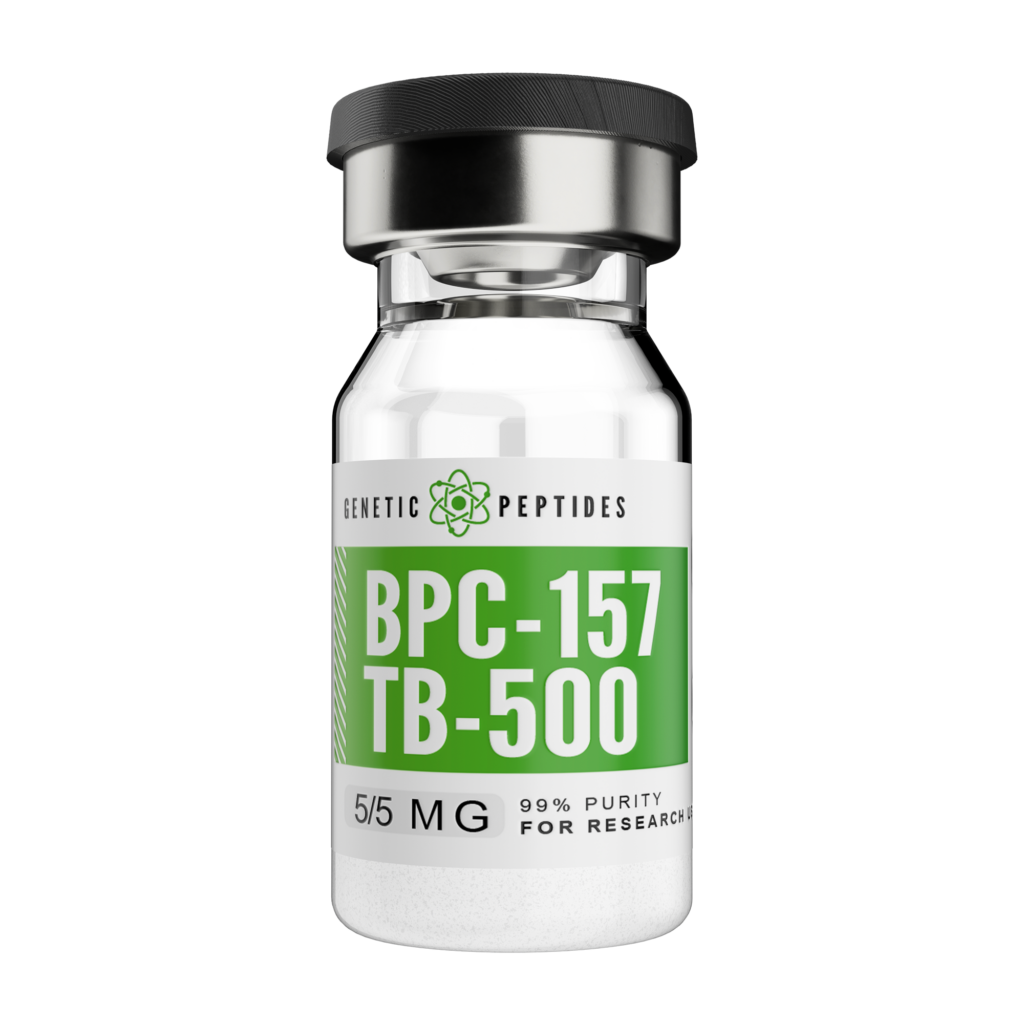
Understanding Peptide Pureness: What 99%+ Truly Implies
Peptide Purity Guide 98%, 99% & Research-grade Explained Prg
These modifications alter the peptide's organic task and chromatographic account. Peptides are sensitive to temperature level, light, and chemical settings, making them susceptible to deterioration, which impacts efficacy. BOC Sciences offers increased security, light security, and chemical deterioration experiments to methodically assess formula stability risks.
Apex Lab is a customized distributor of high-purity chemical reagents and peptides. All products noted are purely for in-vitro research laboratory research and development make use of just. Check out front runner study peptides with batch-specific COA documents and HPLC/MS verification. Products are for in-vitro research laboratory study usage only and are except human consumption.

How To Check Out An Hplc Chromatogram
The purity of peptides is commonly tested utilizing high-performance liquid chromatography (HPLC). HPLC separates peptides based on their communications with a stationary stage, enabling contaminations and by-products to be determined and evaluated. In addition, mass spectrometry (MS) can be utilized to validate the peptide's molecular weight and sequence, offering more verification of pureness by detecting pollutants and deterioration products. If you've ever before obtained an artificial peptide for a lab experiment, you have actually Explore Direct SARMs for top-tier peptide supplements likely noticed a purity percent on the certificate of evaluation-- usually values like 95%, 98%, or even 99%. Peptide purity is a crucial quality metric that tells you what fraction of a peptide sample is the desired item versus undesirable by-products.
Other spectroscopic techniques, such as Infrared (IR) or UV-Vis analysis, are often made use of for fast high quality checks or structural confirmation. This is why trusted vendors offer both HPLC and MS information on their Certifications of Analysis. Peptides in microspheres and nanoparticles might ensnare with matrices, making it hard to divide totally free and encapsulated kinds. We make use of dialysis, ultrafiltration combined with HPLC/UV approaches to medically assess encapsulation efficiency and drug loading. These evaluations are valuable when customers need more than a mass range and chromatogram to evaluate whether a whole lot is genuinely suitabled for measurable job.Recap: What A Research-grade Coa Ought To Consist Of
Unlike a maker's in-house testing, independent third-party laboratory recognition is impartial and provides unbiased outcomes, adding reliability through objective analytical data. This procedure is crucial for keeping high peptide quality since the peptide market is largely uncontrolled in many places, and without validation some providers might use unclean, mislabeled, and even phony peptides [3] Making certain that each set undertakes correct lab testing aids confirm the peptide's authenticity and pureness, which is crucial for both research study validity and security. Peptide purity refers to the portion of your sample that is the right, unabridged peptide series, free from various other peptide-related pollutants. For instance, a pureness of 98% indicates that 98% of the peptide product is the intended product, while the various other 2% could be undesired remnants of synthesis (such as incomplete series or amino acid removal variants).Determining peptide purity is generally made with analytical high-performance fluid chromatography (HPLC), often paired with mass spectrometry (MS) for identity verification. These logical methods are conventional in peptide quality control and you will generally get HPLC and MS data with a research study peptide order. The key logical techniques for peptides include fluid chromatography (LC), commonly HPLC, combined with mass spectrometry (MS) for precise molecular weight determination and series validation.
Peptide Screening: Hplc & Mass Spectrometry Pureness Verification
- Many peptide programs run into logical uncertainty prior to they fall short scientifically.
- For a 30-residue peptide at the very same efficiency, that drops to roughly 86%.
- If you see multiple huge tops of similar elevation, you're considering either a low-purity sample or a blend.
- Purity screening asks just how much of the found sample is the main peptide versus related contaminations.
The table listed below web links typical job objectives to practical analytical panels and the kind of choices they aid sustain. Asparagine and glutamine deposits can go through deamidation, changing the peptide's fee and hydrophobicity. Deamidation is one reason storage space conditions issue, particularly after a peptide has actually been reconstituted. Every item we lug is lab-tested and validated by third-party partners, so researchers know exactly what they're dealing with. Peptides consisting of methionine or cysteine deposits are at risk to oxidation. Methionine can be oxidized to methionine sulfoxide; cysteine can develop unwanted disulfide bonds or be oxidized to sulfinic or sulfonic acid by-products.