Peptide Storage Guide: For How Long Do Peptides Last?
Latest Malfunction Bpc 157 Can Advertise Injury Healing
carefully for cloudiness or rainfall upon thawing. Consider splitting huge orders between cooled and frozen storage. Maintain current-use vials cooled while keeping longer-term inventory frozen. Transfer vials from freezer to fridge as required. Stay clear of duplicated freeze-thaw cycles for lyophilized peptides. While freezing itself triggers no damages, the condensation during thawing can present wetness. Remove from freezer just what you will utilize and keep it refrigerated afterwards. Ignoring reconstitution days brings about making use of degraded item. Label reconstituted vialsAllowing the vial's stopper to Click here! normally readjust after adding bacteriostatic water aids stabilize stress and makes future dosing smoother. This step is particularly crucial when peptides will be incorporated or drawn frequently. In medical settings, peptides are suggested based on specific goals, laboratory pens, and health history.
Keeping Specific Peptides After Reconstitution
Even in lyophilized kind, peptides can gradually oxidize when stored in air-filled vials over extended durations. Microbial development slows substantially under refrigeration. Germs and fungi that can infect reconstituted peptide remedies grow slowly or not at all at refrigerator temperature levels. This microbial suppression matches the chemical security advantages of freezer. Unreconstituted (lyophilized) retatrutide can be stored frozen at -20 ° C or below for long-lasting storage. This is the conventional referral for vials you do not prepare to make use of within 3-6 months.
- Oxygen is a primary vehicle driver of oxidation, among the significant destruction pathways for peptides.
- Date tags noticeable without relocating vials aids determine oldest stock swiftly.
- The last guide you will ever need for understanding how to save, mix, and handle peptides.
- Asparagine, specifically when complied with by glycine in the sequence (Asn-Gly), is a "hot spot" for deamidation.
Some procedures require 24 hours maximum at area temperature. Preferably, you get rid of the vial from the fridge, withdraw your dosage, and return it within mins. Treat every minute at space temperature level as deterioration time, because that is exactly what it is. Every reconstituted peptide that you prepare to make use of within the next 28 to thirty day should reside in a refrigerator at 2 to 8 degrees Celsius. This temperature range slows down degradation considerably contrasted to area temperature while maintaining the remedy Learn more here in liquid kind for easy withdrawal. They rest on shelves for months, also years, with minimal destruction.
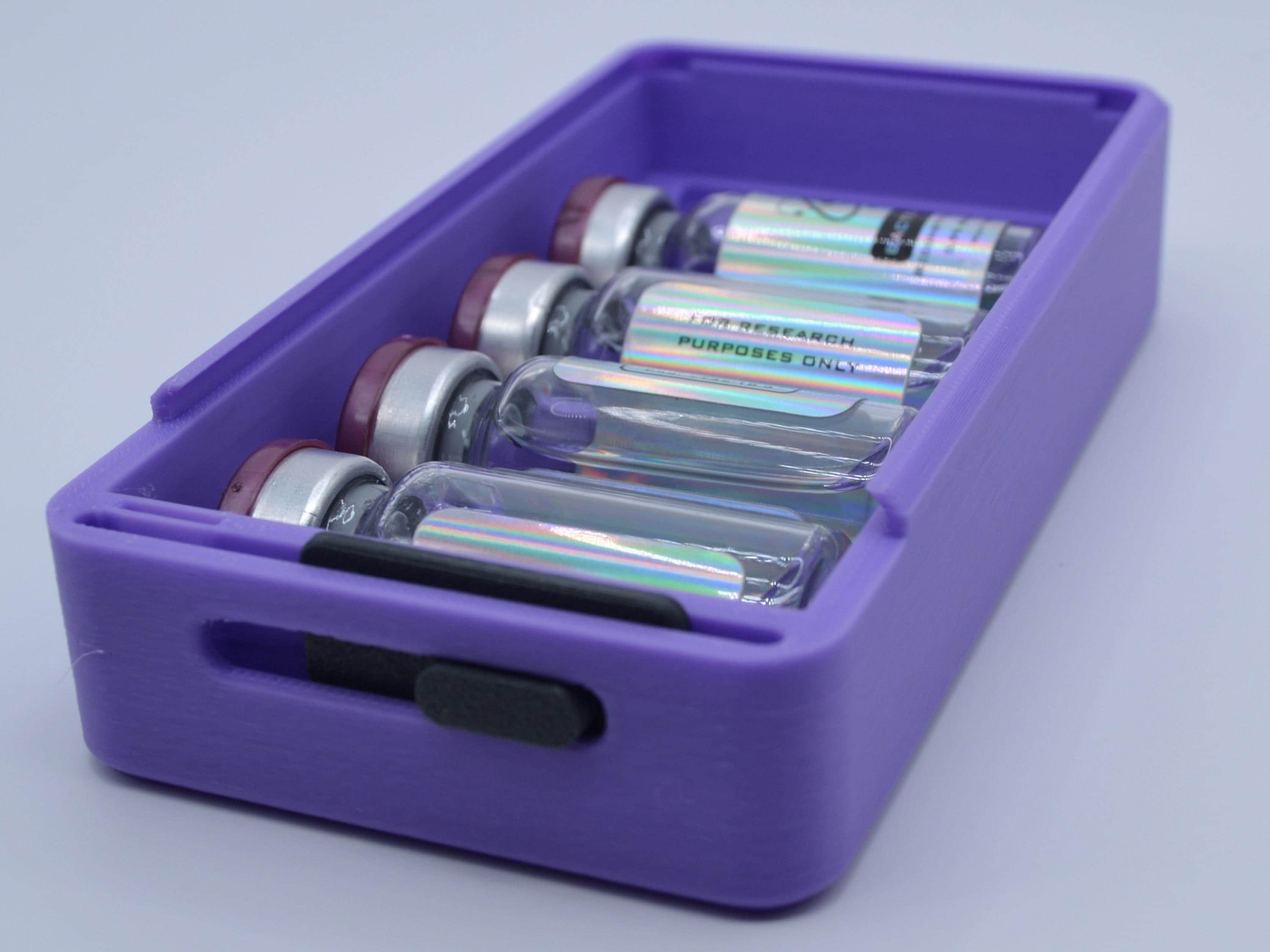
Applications And Potential Benefits Of Bpc-157
Toss it away if the reconstitution date is past the recommended life span. Throw it away if you reconstituted with clean and sterile water more than 24-hour back. The bacteriostatic water itself has a life span after opening. After 28 days, the benzyl alcohol chemical might not be effective adequate to avoid bacterial development. If you open a new vial of bacteriostatic water, day it, and dispose of the remainder after 28 days, regardless of just how much is left.
Comprehending destruction devices serves only if you implement correct storage techniques. Below are evidence-based methods for making best use of lyophilized peptide shelf life. Bacteriostatic water for shot (0.9% benzyl alcohol in sterile water for shot) is the standard reconstitution diluent for research study peptides. It is offered from lab suppliers and some pharmacies in the UK. Ensure you acquire water specifically identified "bacteriostatic water for injection"-- not typical saline, not WFI without benzyl alcohol.Freezer-adjacent storage threats unintended freezing of reconstituted peptides. The area right away beside or below the fridge freezer compartment may go down listed below freezing during compressor cycles. Test your fridge's cool zones prior to developing peptide storage places. Bacteriostatic water as a diluent prolongs reconstituted storage compared to sterile water. The benzyl alcohol preservative in bacteriostatic water prevents microbial growth that would otherwise contaminate and degrade the remedy.
The Optimal Insulin Managed Diet Regimen: What To Consume To Make Best Use Of Trt Outcomes
Place the vial in the refrigerator for 15 minutes, then swirl once more. If material still continues to be after half an hour, check that you are using sufficient diluent volume-- insufficient water can protect against complete dissolution. If cloudiness continues after proper technique, contact your provider as this might indicate a set quality issue. SeekPeptides is the easiest means to locate the right peptides for your goals. Science-backed plans for faster recuperation, muscular tissue growth, anti-aging, fat loss, and more.
